Bridging the gap between research innovation and clinical impact in medical imaging AI

The MÉTIS (Multidisciplinary Evaluation and Translation in Imaging and Surgery) programme is an educational and mentoring initiative designed to bridge the gap between innovation in medical imaging AI and computer-assisted intervention (CAI) and their successful translation into clinical practice. As part of this initiative, the MÉTIS 2026 workshop brings together computational researchers and clinician-scientists to develop clinically relevant, technically rigorous research through cross-disciplinary collaboration. Building on partnerships with MIUA, ASNR and ASFNR, the workshop aims to establish a sustained mentoring and development pipeline supporting promising projects towards future MICCAI submissions and clinical impact.
MÉTIS brings together clinicians, researchers, data scientists, engineers, industry partners, and regulators to develop the skills needed to evaluate, validate, and deploy AI technologies safely and effectively in healthcare. Through structured mentoring and cross-society engagement, the programme supports clinical practitioners and trainees, computational researchers, and postgraduate students working across medical imaging and intervention sciences.
Through workshops, tutorials, roundtable discussions, and collaborative projects, MÉTIS aims to train the next generation of leaders capable of developing clinically robust, trustworthy, and deployable AI technologies that improve patient care.
Metis — the ancient Greek goddess of wisdom, practical intelligence, and strategic thinking — embodies exactly what is needed for the translation of MICCAI methods into the clinic. She is a symbol for bringing together different forms of knowledge, aligned with our workshop's goal of uniting clinical practice, imaging, AI, and computational science.
Following MICCAI, participants will be invited to join a structured multidisciplinary mentoring programme that pairs clinicians, computational researchers, industry experts, and senior academic mentors. Through regular interactions and cross-society engagement, participants will be supported in identifying clinically relevant research questions, building collaborative teams, and developing competitive research proposals and translational projects. The long-term goal of MÉTIS is to cultivate a sustainable international community capable of advancing clinically robust, reproducible, and deployable AI and CAI technologies that deliver meaningful impact on patient care.
Connecting clinical needs with medical imaging AI expertise from the MICCAI community
MÉTIS invites clinicians, radiologists, pathologists, surgeons, and medical practitioners working with medical imaging to submit Clinical Proposals. This program aims to pair clinicians who have diagnostic questions or dataset bottlenecks with computational scientists and AI experts from the MICCAI community. Together, they will co-design and validate translational AI systems. Selected proposals are invited for a short pitch/talk at the MÉTIS workshop in Strasbourg, France, and enrollment in our year-long mentoring program.
Use these official templates to format your 1-page clinical proposal before submission.
Structured questions compiled to facilitate and guide the interactive workshop roundtables.
A curated compilation of clinical bottlenecks, medical challenges, and reference datasets to inspire submissions.
Key milestones for the MÉTIS workshop at MICCAI 2026
Keynotes, presentations, and structured networking bridging the clinical-AI gap
Our workshop program features oral presentations of accepted clinical proposals, a poster session over coffee, a distinguished keynote address, and collaborative roundtables. Oral presentations and case studies will focus on innovative evaluation methodologies, clinically meaningful metrics, regulatory pathways, & real-world deployment challenges. The keynote address by Dr. Mariam S. Aboian will explore translational readiness, followed by interactive roundtable discussions to synthesize outcomes and establish mentoring groups.

Children's Hospital of Philadelphia / University of Pennsylvania
Dr. Mariam S. Aboian is an Assistant Professor of Radiology & Biomedical Imaging at Yale School of Medicine, and Assistant Professor of Radiology at the Perelman School of Medicine (University of Pennsylvania) / Children's Hospital of Philadelphia. She is a distinguished neuroradiologist and researcher specializing in neuro-oncology, quantitative neuroimaging biomarkers, and the translation of artificial intelligence into clinical workflows.
Dr. Aboian's keynote address will discuss the critical bottlenecks and requirements for successfully translating AI models from research into active clinical radiology workflows. Drawing from her pioneering research and clinical practice, she will address key issues in regulatory compliance, clinical integration, and bridging the communication gap between clinicians and AI developers.
Introduction to the workshop objectives, organizers, and timeline.
Seven accepted clinical-computational proposals representing 7 clinical specialties, 6 imaging modalities, and 4 continents. Each team delivers an oral pitch and participates in an interactive Q&A session with clinical and technical mentors.
Networking session over coffee accompanied by poster presentations of accepted works.
Dr. Mariam S. Aboian (Children's Hospital of Philadelphia / University of Pennsylvania)
One hour designed for two tangible outcomes: newcomers leave with a shaped clinical proposal idea and collaborator; accepted project teams leave with mentors, validation sites, and datasets. Every match is formally recorded.
Synthesis of workshop outcomes, formal logging of clinical-computational matches, and launching the year-long mentoring pathway leading to MICCAI 2027 in Auckland, New Zealand.
Top clinical proposals and collaborations will be recognized based on key impact criteria
Significance and clarity of the clinical bottleneck being addressed
Potential translational value and patient outcomes of the proposed AI system
Availability, organization, and labeling status of the medical imaging dataset
Feasibility and depth of the clinical-computational partnership
Track record, domain expertise, and translational commitment from the lead's CV
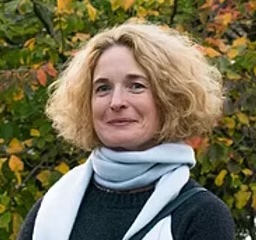
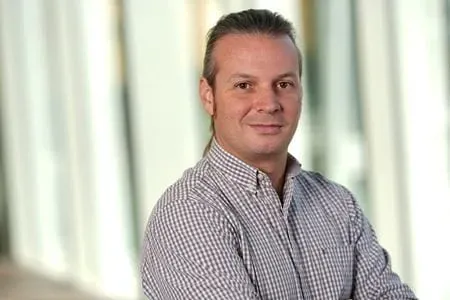
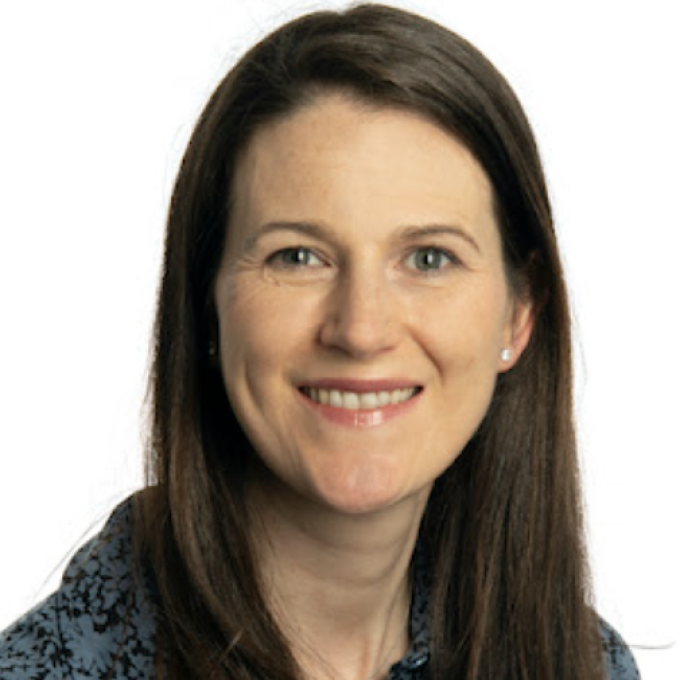
An interdisciplinary team spanning clinical imaging, computational AI, and translational research



Supported by leading academic institutions, funding agencies, and international imaging societies



With thanks to the MICCAI Society Board's Career Development Working Group and Student Board, MIUA 2026, and the ASNR/ASFNR AI Workshop. Supported by University College Dublin and Research Ireland. Special acknowledgement to RISE-MICCAI for candidate sponsorship.